avalanche awareness
First introduction to avalanche understanding. Designed to help you read bulletins, recognize patterns in hazard levels, understand how weather shapes the snowpack over time, and identify dangerous terrain features. Provides the foundational knowledge needed to make more informed decisions in Niseko’s variable snow conditions.
An avalanche is a rapid flow of snow down a slope, triggered when the snowpack loses stability and a layer collapses, releasing a moving mass that grows in speed, volume and force as it travels.

150
People die each year
On average, around 150 people die worldwide each year in avalanches.
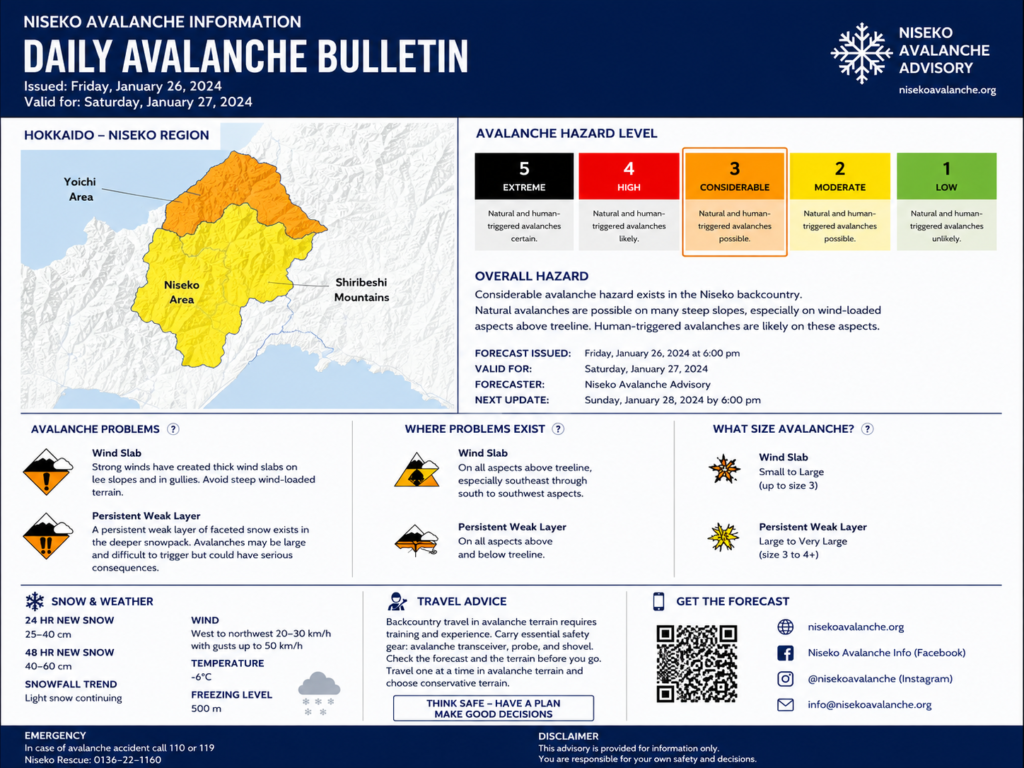
Avalanche Bulletins — How to Read Them
What they contain
Daily hazard level, summary of recent observations, areas of concern, weather summary and recommended precautions.

How to read:
Start with the headline hazard level, then read the summary for specific aspects (wind-loaded slopes, recent storm snow, persistent weak layers). Pay attention to exact timing and locations mentioned — these are the most actionable parts.

Practical tip:
Compare the bulletin with recent local reports (patrol notes, lift announcements) and current and past weather — the bulletin is a starting point, not a guarantee.
Types of Avalanches
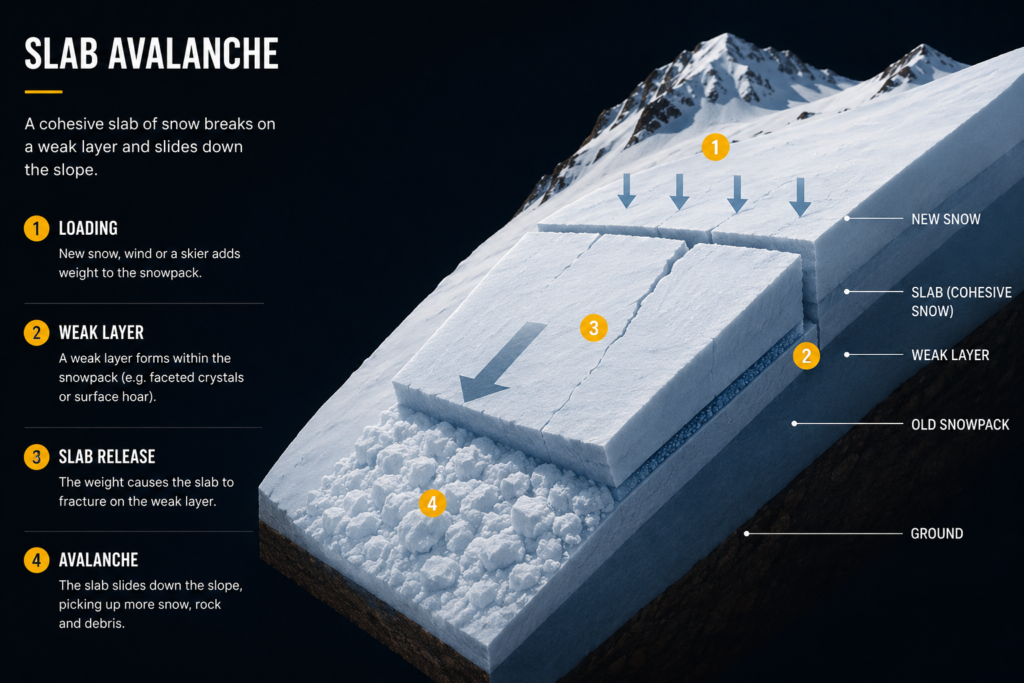
Slab avalanches
Most dangerous for people: a cohesive slab breaks and slides on a weak layer beneath. Often triggered by loading (weather) or humans.
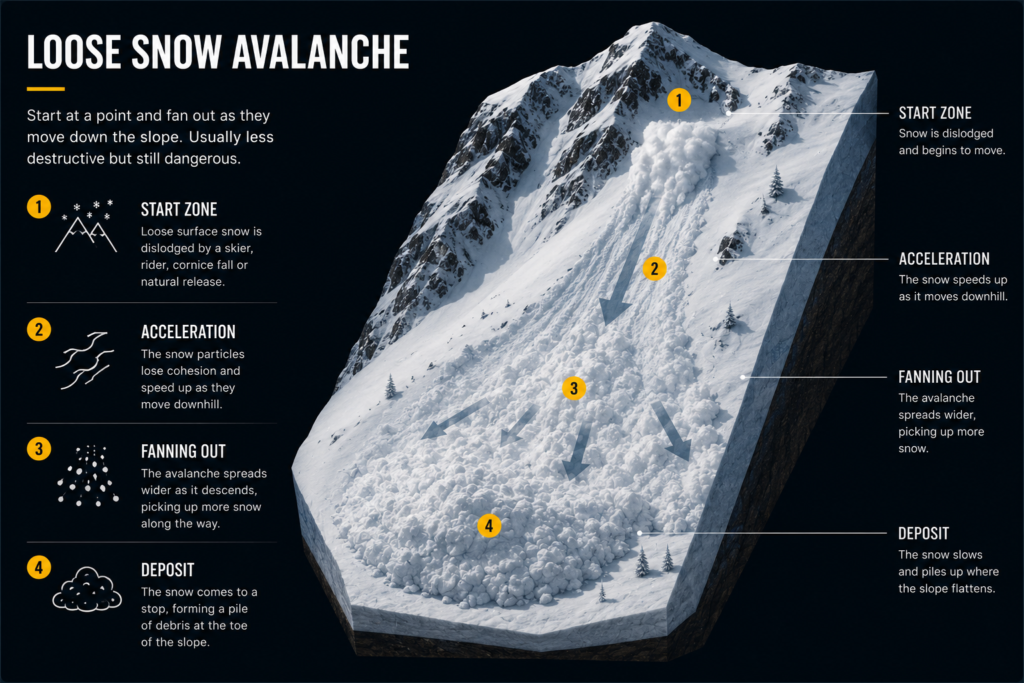
Loose Snow Avalanches
Start at a point and fan out — common on steep, freshly fallen snow and usually less destructive but still hazardous.
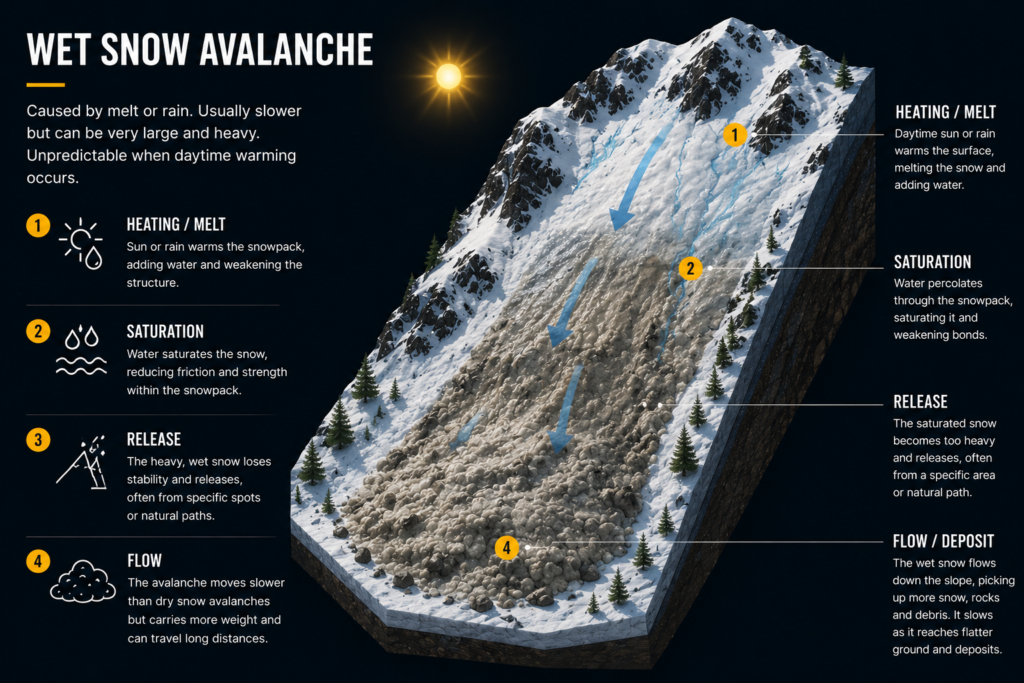
Wet Avalanches
Caused by melt or rain, usually slower but can be very large and heavy. Unpredictable when daytime warming occurs.
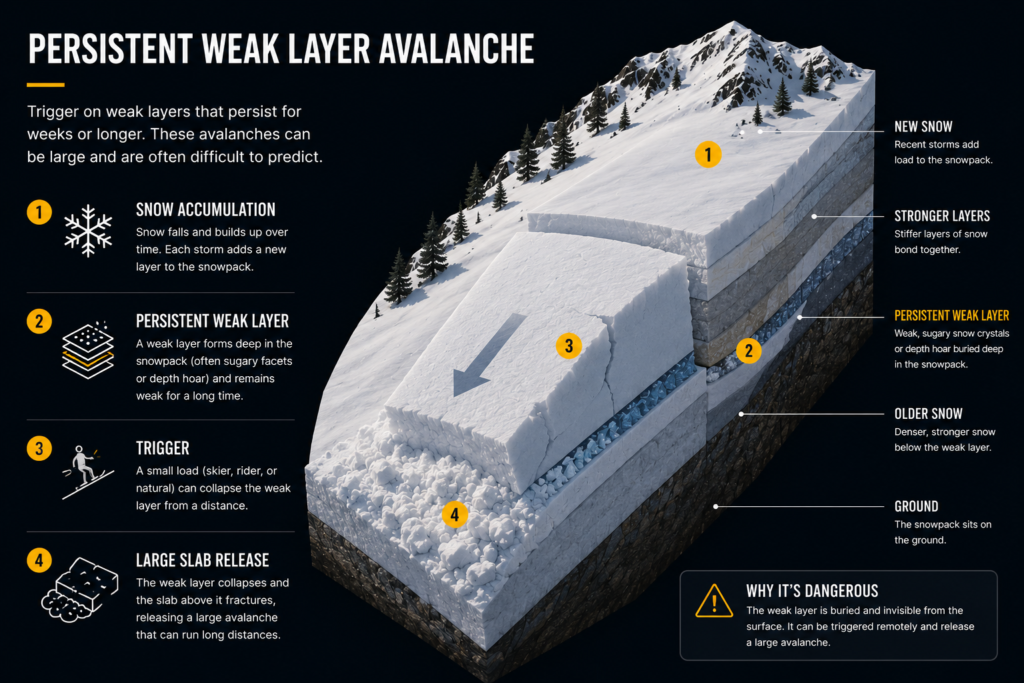
persistent slab avalanches
Trigger on weak layers that persist for weeks or longer. These avalanches can be large and are often difficult to predict.
Hazard Levels (1–5) — What They Mean
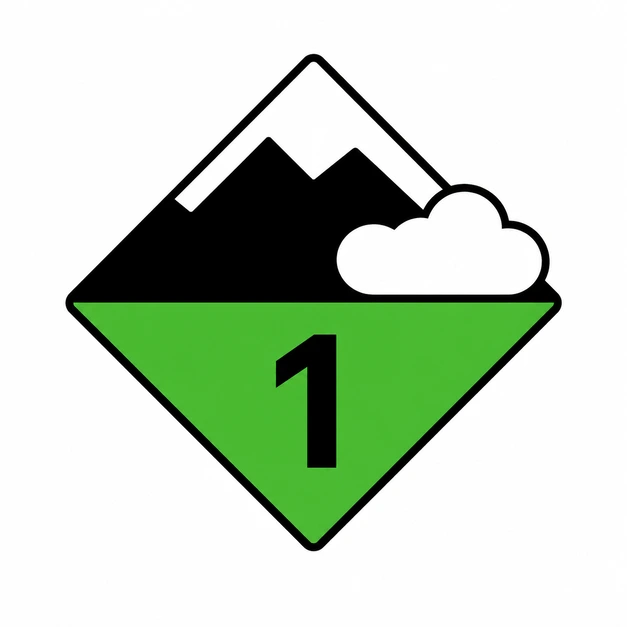
1 — Low
Generally safe terrain; natural avalanches unlikely. Still be cautious on very steep slopes. Lowest hazard level.
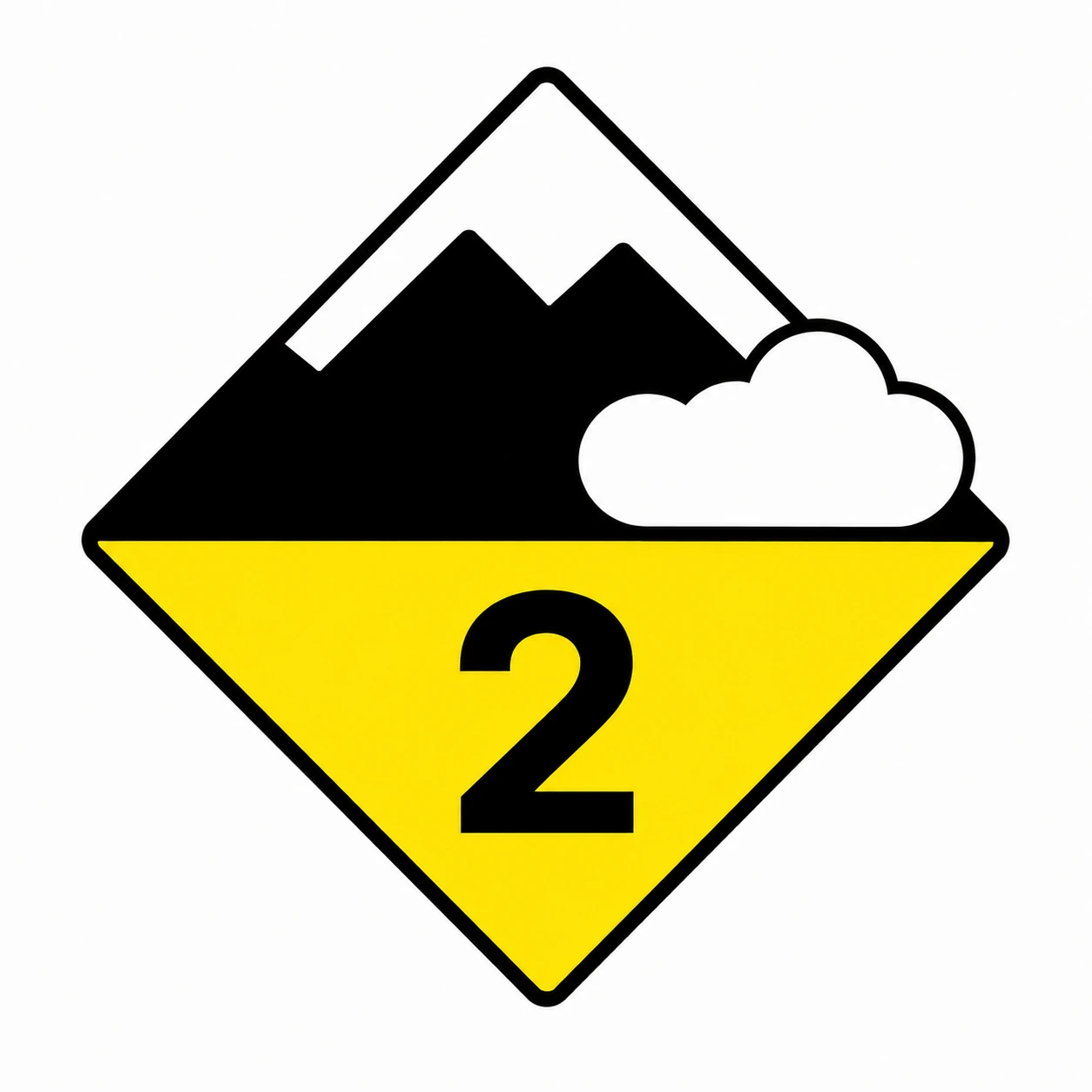
2 — Moderate
Localized triggering possible; choose conservative terrain and avoid wind-loaded features. Average day level.
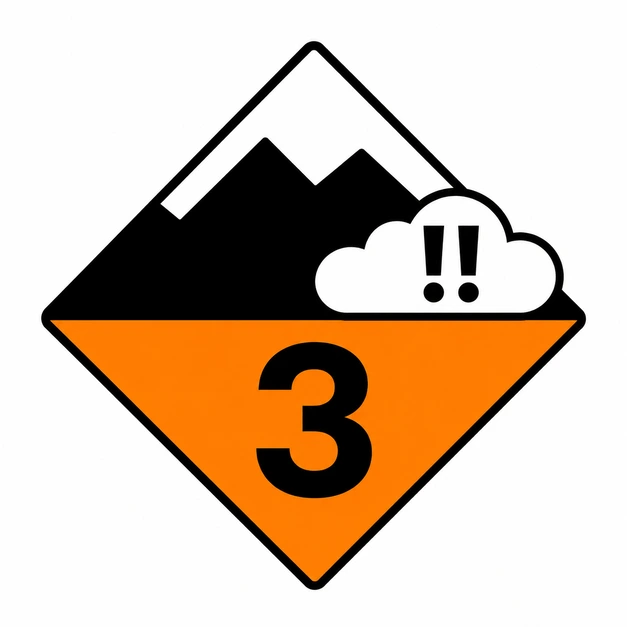
3 — Considerable
Human-triggered avalanches likely on many steep slopes — require conservative decision-making and experienced partners.
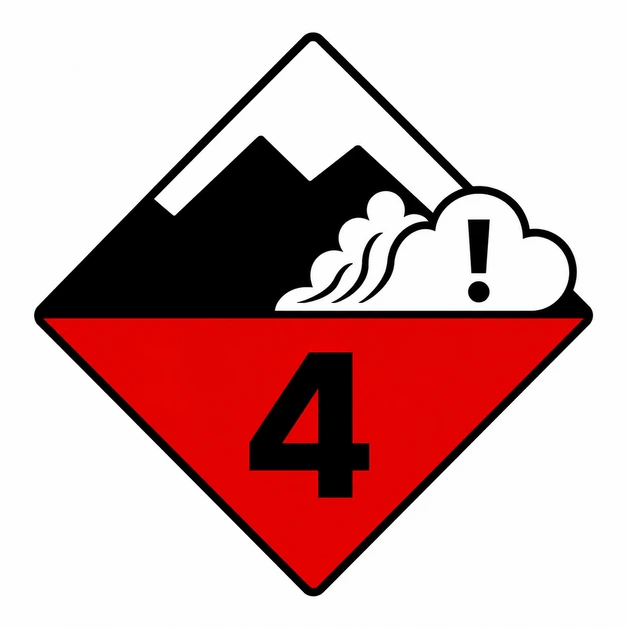
4 — High
Large natural and human-triggered avalanches likely. Avoid exposed slopes; gates are often closed. Do not travel in avalanche terrain.
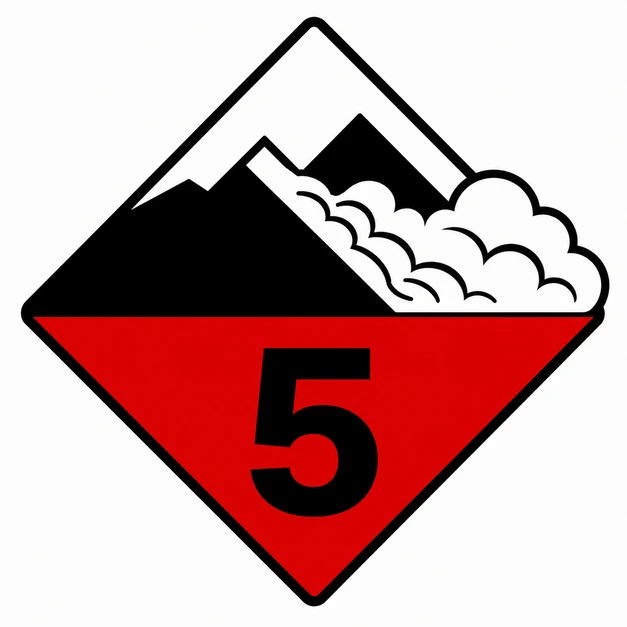
5 — Extreme
Widespread destructive avalanches expected. Stay inside controlled areas.mountain will be closed. Plan other activities.
How Weather Affects the Snowpack
New snow:
Rapid loading increases the chance of slab formation, especially if it falls fast or is accompanied by wind.

Wind:
Moves snow into leeward slopes creating dense slabs and windboard. Wind-loaded slopes are common trigger zones.
Temperature changes:
Warm periods can cause melting and wet snow problems; rapid cooling after wet periods can form crusts and persistent weak layers.
Rain:
Strongly increases instability — even a short rain event can greatly raise avalanche hazard.
Snowpack Basics
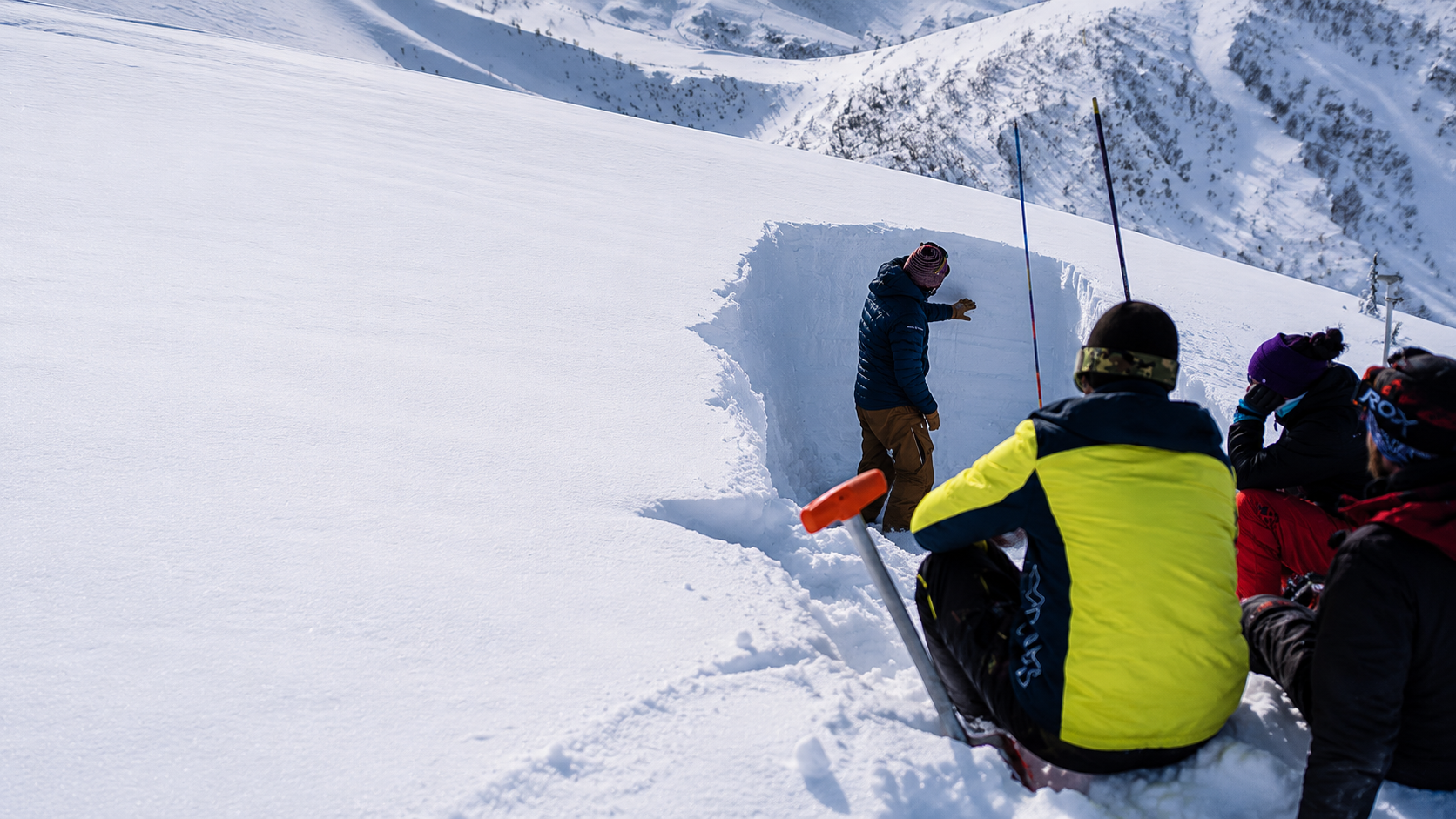
The snowpack is made of layers ( It’s like a cake) — some strong, some weak. Persistent weak layers (facets, depth hoar) can persist for weeks and are a common cause of large avalanches.
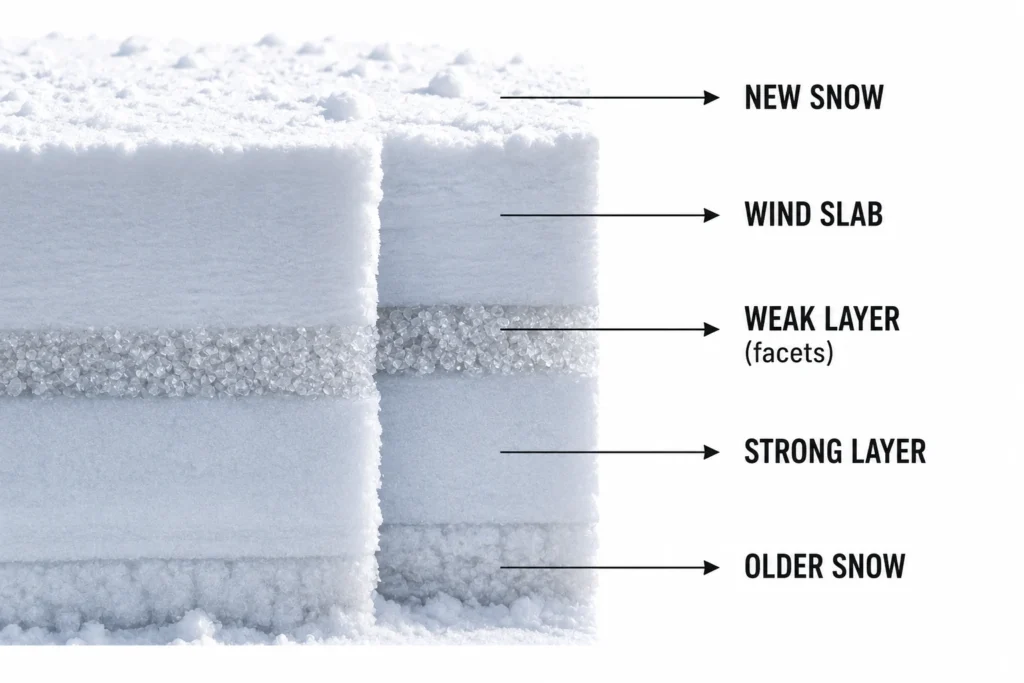
Recognize recent loading on top of a weak layer as a red flag. Digging snowpits and performing stability tests are technical measures used by professionals to understand layer strength.
Terrain Traps & Signs of Instability
terrain traps
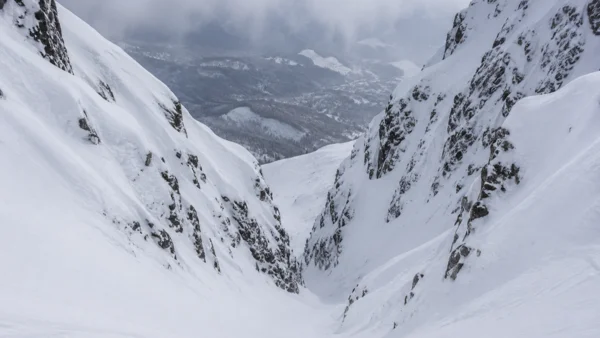
gullies
Snow funnels deeper and burial risk increases fast.
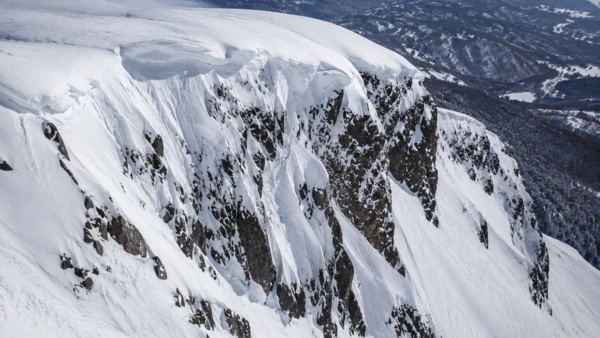
cliffs
Small mistakes can have serious consequences.
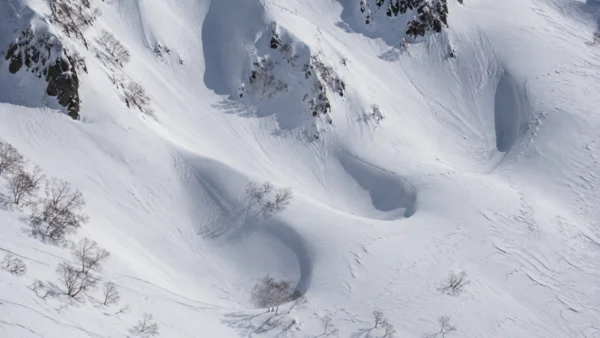
concavities
Avalanches naturally collect and pile up here.
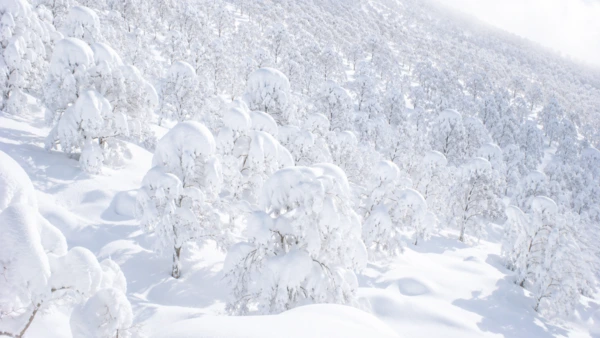
dense trees
Limited visibility and difficult rescue access.
These features increase burial depth and consequences. Avoid options that funnel snow into narrow zones, or at least ride these areas with awareness of terrain traps and possible escape routes if something goes wrong.
Signs of Instability
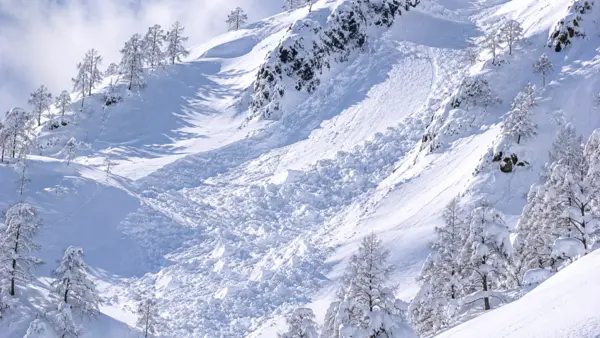
recent avalanches
Recent slides nearby often indicate unstable snow conditions.
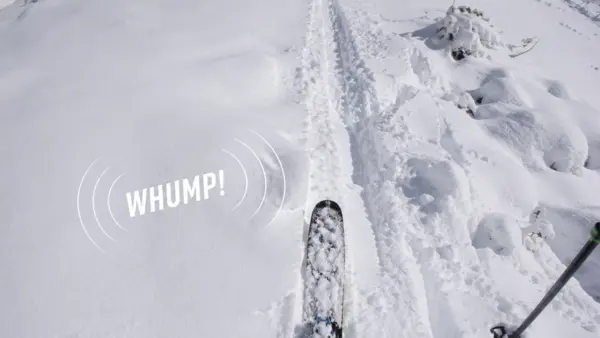
WHUMPING SOUNDS
Collapsing snow layers are a serious warning sign.
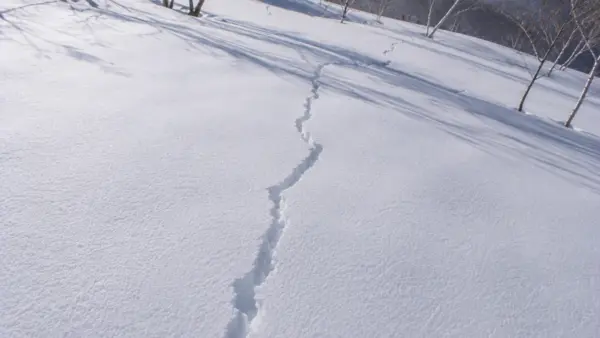
SHOOTING CRACKS
Cracks spreading from skis or boards show instability.
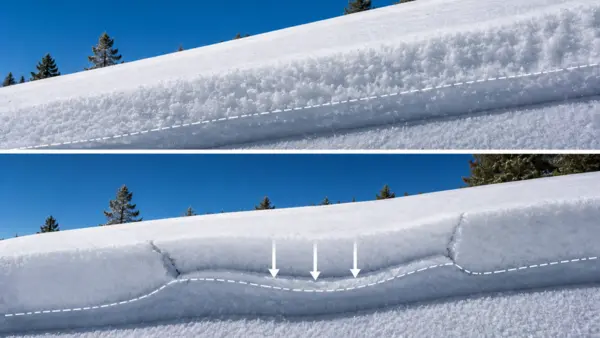
RAPID SETTLEMENT
Heavy snowfall can quickly overload weak snow layers.
If you observe these signs, retreat to safer ground and consult local patrol bulletins.
Safe Travel Practices

Travel with partners and keep visual/voice contact.

Use one-person exposure when crossing suspect slopes (only one person in danger zone at a time).

Carry and know how to use avalanche equipment: beacon,
probe and shovel.

Keep group size small and discuss escape routes before committing to a line.

Be conservative — choose lower-angle terrain when uncertain.
know before you go
Official Niseko avalanche bulletins (Nadare), local patrol updates and recognized avalanche education providers are the best sources for planning safe backcountry travel. Always cross-check bulletins with current weather, terrain conditions and patrol notices before heading into the mountains.
Need help choosing the safest option for the day? Ride with a local guide.
*This educational page is a primer — it does not replace professional avalanche courses, snowpack testing or guided decisions by qualified professionals.*
niseko
gates
Independent information for safety backcountry decisions and better days in Niseko.
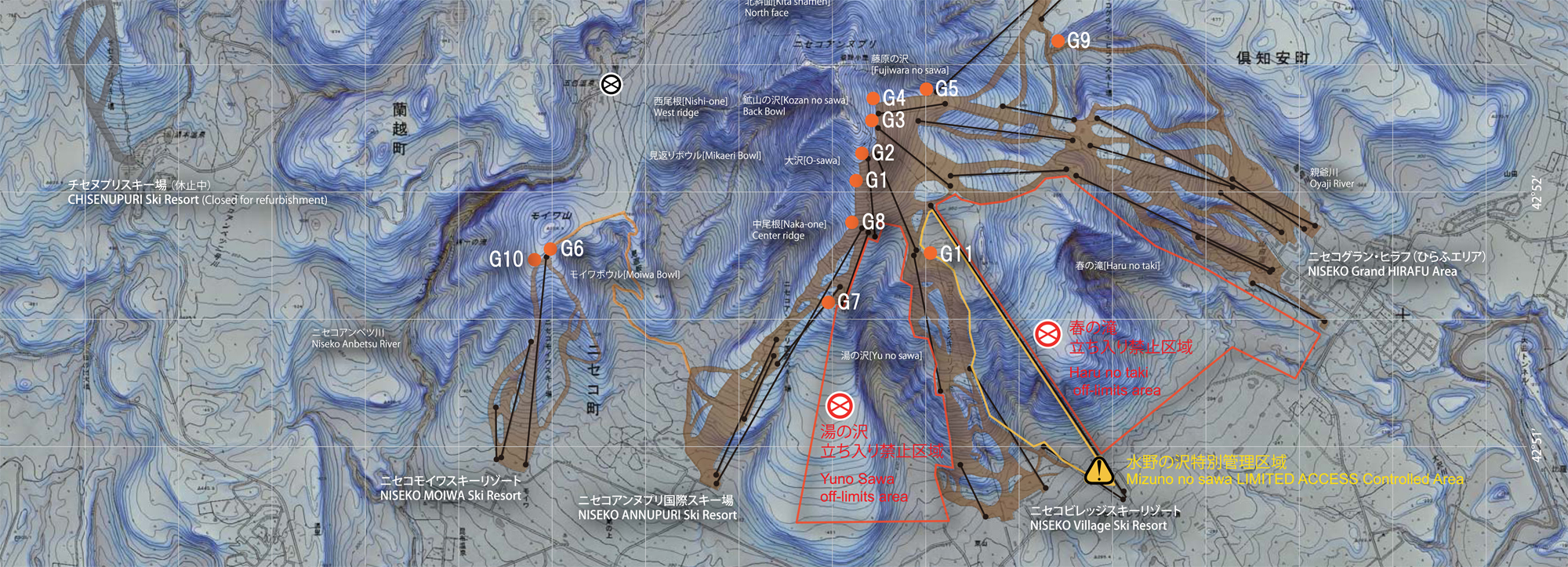
backcountry gates
Gate 1 – L-GI
Gate 2 – Annupuri Peak
Gate 3 – Hirafu Peak
Gate 4 – Hanazono Ridge
Gate 5 – Hanazono Gate
Gate 6 – Moiwa Peak
Gate 7 – E-Sawa
Gate 8 – Hachi-Ban
Gate 9 – Waterfall
Gate 10 – Moiwa Sidecountry
Gate 11 – Mizuno no Sawa
INSTRUCTION & BOOKING
Private Lessons
Group Lessons
Freeride Foundation
Gate Guiding
Booking Process
legal
need help planning your backcountry trip?
© 2026 NISEKO GATES
Ride smart. Respect the mountains. Share the stoke responsibly. · Lessons in partnership with Limitless Hokkaido.