GETTING STARTED › ARTICLE 01 OF 13
Am I Ready to Ski the Niseko Backcountry?
Everything You Should Honestly Ask Yourself Before Leaving the Resort Boundary
THE COMPLETE GUIDE TO SKIING THE NISEKO BACKCOUNTRY
ARTICLE 01 / 13
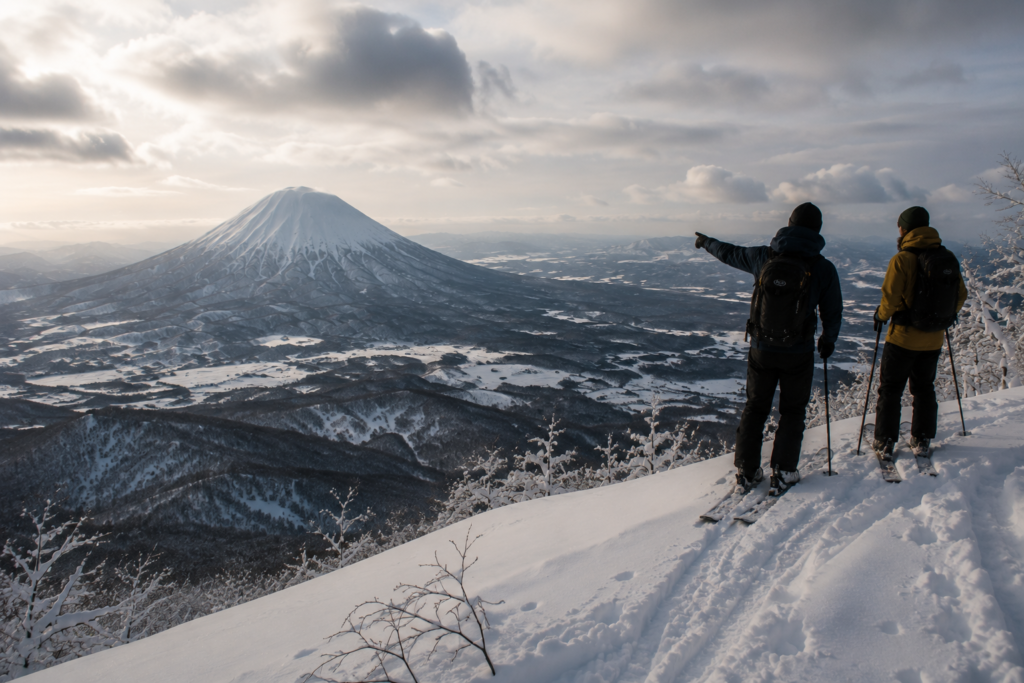
Every winter, thousands of skiers and snowboarders arrive in Niseko with one goal in mind: skiing the famous powder of the Niseko backcountry beyond the resort boundaries. They’ve seen the videos, heard stories from friends and watched skiers disappear through the Niseko Gates into untouched snow.
The terrain beyond the gates offers a completely different experience from skiing inside the resort. Fewer people, natural terrain, constantly changing conditions and the feeling of exploring real mountains rather than simply following groomed runs.
But before asking which gate should I ski?, there’s a much more important question: Am I actually ready to ski beyond the Niseko Gates?
The answer isn’t based on your age, how expensive your skis are or even how many years you’ve been skiing. It comes down to something much more important: whether you have the skills, judgement and preparation to enjoy the mountains safely.
In this guide, we’ll help you understand what being ready really means, the mistakes many first-time visitors make, and how to decide whether this winter is the right time to take your first step into the Niseko backcountry.
What Are the Niseko Gates?
Before talking about ability, it’s important to understand what the gates actually are.
The Niseko Gate System is a controlled access system that allows skiers and snowboarders to leave the resort and enter designated backcountry terrain. Unlike a normal ski run, once you pass through a gate you’re leaving the managed ski area.
That means several things change immediately:
- There is no avalanche control beyond the resort boundary.
- There are no marked pistes.
- There are no ski patrol teams monitoring every descent.
- Route finding becomes your responsibility.
- Weather conditions can change rapidly.
- Snow stability varies from day to day.
Every decision becomes more important than it was five minutes earlier. This doesn’t mean the backcountry is something to fear. It simply means it should be approached with respect rather than excitement alone.
If you’d like to understand exactly how the system works, read our complete guide to How the Niseko Gate System Works, including how gates open and close, why they exist and what they mean for skiers visiting Niseko. You can also see all 11 Niseko gates and the official gate access protocols.
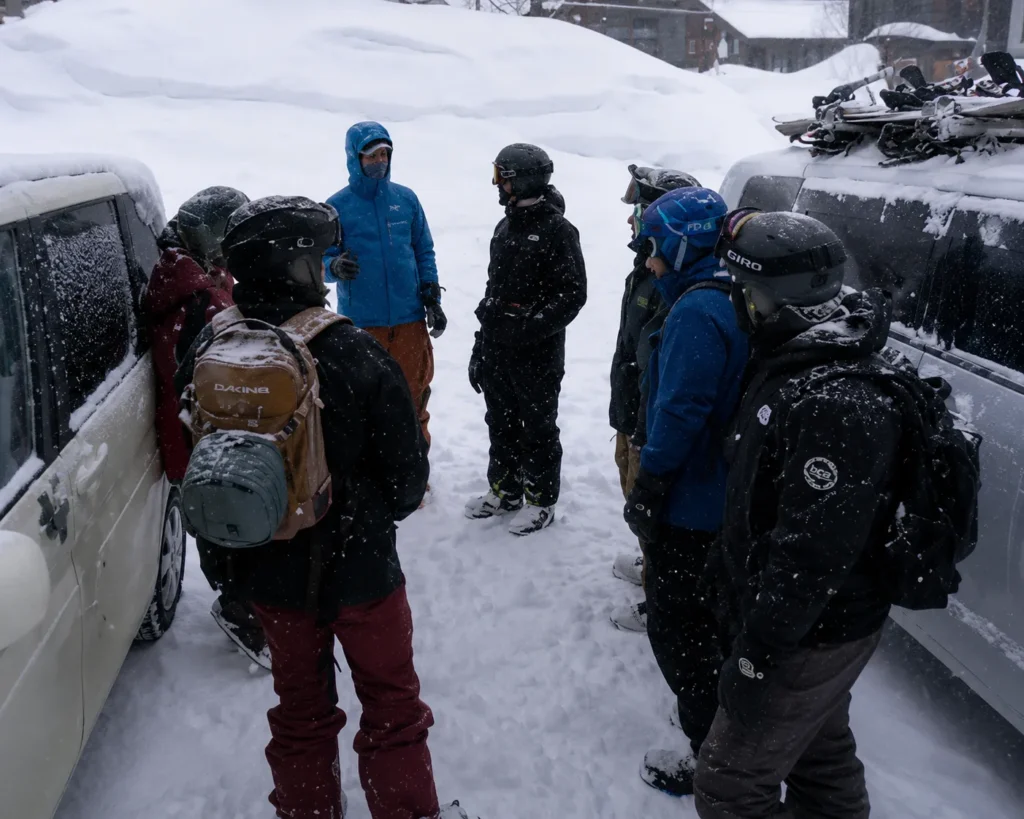
Being a Good Resort Skier Doesn’t Automatically Mean You’re Ready
This is probably the biggest misconception we see every season. Many visitors arrive after years of skiing in North America, Europe or Australia. They’re confident, comfortable on black runs, happy skiing powder and strong athletes. On paper, they appear more than capable.
Yet the backcountry asks very different questions from a ski resort. Instead of asking, “Can you ski this slope?”, the mountain starts asking:
- Can you recognise changing snow conditions?
- Can you make good decisions when visibility disappears?
- Can you choose to turn around when the safest option is not the most exciting one?
These aren’t technical skiing skills alone. They’re mountain skills, and they take time to develop.
That’s one of the reasons many experienced resort skiers choose to explore the Niseko backcountry with a local guide on their first visit. Not because they can’t ski, but because they understand that skiing is only one part of travelling safely through mountain terrain.
The Five Questions You Should Ask Yourself
Rather than thinking about ability levels, we encourage first-time visitors to ask themselves five simple questions. The answers are often more useful than any trail rating.
1. Am I Comfortable Skiing in Variable Snow?
Powder is only one type of snow. During a single day you might encounter:
- Deep fresh powder.
- Wind-affected snow.
- Crust.
- Tracked sections.
- Narrow exits through trees.
- Heavy snow near the bottom of the run.
If every change in snow conditions dramatically affects your confidence, spending time developing those skills inside the resort first is usually the better option. The more adaptable you become, the more enjoyable your first backcountry experience will be.
2. Can I Stay Relaxed Outside Groomed Terrain?
Many strong piste skiers become surprisingly tense once the familiar boundaries disappear. Without piste markers, ropes and signs, the mountain suddenly feels much larger. That’s completely normal.
Confidence in the backcountry isn’t about skiing aggressively. It’s about remaining calm when everything looks less predictable. Being comfortable in natural terrain is often more valuable than skiing fast.
3. Am I Willing to Learn?
The visitors who enjoy the Niseko backcountry the most usually have one thing in common: curiosity. They’re interested in understanding why a guide chooses one route instead of another. They ask questions, observe the weather and want to understand how decisions are made.
That mindset turns a single powder day into a learning experience that often changes the way people think about skiing in the mountains.
4. Do I Understand That Conditions Change Every Day?
No two days in Niseko are the same. A line that was an excellent choice yesterday may not be the right option today. Wind, temperature, snowfall and visibility constantly reshape the mountain.
The goal isn’t to ski a specific run. The goal is to enjoy the best terrain available for the conditions that exist today. You can check what the mountain is doing right now on our live Niseko conditions page, and learn how to interpret it in How to Read Niseko’s Daily Conditions and Avalanche Report.
5. Am I Comfortable Making Conservative Decisions?
This may be the most important question of all. The best backcountry skiers aren’t necessarily the most aggressive. They’re often the most patient. They’re happy to ski excellent snow instead of chasing perfect snow, comfortable changing plans and willing to turn around if conditions don’t feel right.
That approach is one of the biggest reasons experienced mountain travellers continue enjoying the backcountry for many winters to come.
The Key Takeaway
Being ready isn’t about proving how strong a skier you are. It means understanding your limits, adapting to the conditions and being willing to choose the conservative option when that’s the right decision.
What If You Answered “No” to Some of These Questions?
If you’ve answered “no” to one or more of the questions above, don’t see it as a reason to avoid the Niseko backcountry. See it as a starting point.
One of the biggest misconceptions about backcountry skiing is that you’re either “ready” or “not ready.” In reality, mountain experience develops over time. Every experienced skier started somewhere, and nobody learns everything in a single season.
The important thing is recognising where you are today and choosing the right next step. For some people, that means spending another few days exploring the resort in different snow conditions. For others, it means joining a guided day where the focus isn’t just on skiing great powder, but on understanding how experienced guides assess terrain, interpret conditions and adapt their plans throughout the day.
If you answered “no” to several questions, Freeride Foundations is built for exactly this stage: powder technique, terrain awareness and line choice inside the resort boundaries, in lift-accessed terrain that does not require avalanche equipment. If you answered “yes” to all five and are comfortable in advanced terrain, Gate Guiding is the natural next step.
Being honest about your current experience isn’t a weakness. It’s often what allows people to enjoy the mountains for many winters to come.
Why Many First-Time Visitors Choose to Ski with a Guide
There’s a common assumption that guided backcountry trips are only for beginners. In reality, many of our guests are highly experienced skiers who simply recognise that local knowledge has real value.
Every day in Niseko is different. Snowfall, wind, visibility and temperature can completely change which terrain offers the best skiing—or which areas are best avoided. A local guide spends the entire winter observing those changes. That experience helps remove uncertainty and allows the day to be built around the conditions rather than around a fixed plan.
For first-time visitors, skiing with a guide also provides something that’s difficult to gain from guidebooks or online videos: context. You begin to understand why certain gates are chosen, why some routes are avoided and how decisions are made as conditions evolve. For many guests, that’s just as valuable as the skiing itself.
If you’re wondering whether guided skiing is the right option for your trip, read Should You Ski Niseko Gates Without a Guide? for the advantages and situations where each approach makes sense. You can also see how a day works, what it includes and the price on our Gate Guiding page.
Remember: There Is No “Best” Gate for Everyone
One question we hear almost every day is: “Which Niseko Gate is the best?” The honest answer is that there isn’t one.
The right gate depends on many factors, including:
- Your skiing ability.
- Current snow and weather conditions.
- Avalanche conditions.
- Visibility.
- Wind direction.
- Group experience.
- Your goals for the day.
That’s why experienced locals rarely talk about having a favourite gate. Instead, they talk about choosing the right terrain for today’s conditions.
If you’d like to understand how different gates suit different ability levels and objectives, read How to Choose the Right Niseko Gate for Your Ability.
Being Ready Is More About Mindset Than Ability
Looking back, the visitors who enjoy their first Niseko backcountry experience the most usually have something in common. It’s not exceptional fitness, perfect powder technique or expensive equipment. It’s their mindset.
They arrive with realistic expectations. They’re curious. They understand that plans can change. They’re willing to listen, ask questions and adapt. That attitude not only makes the day safer, but almost always makes it more enjoyable. The mountains reward patience far more often than confidence alone.
Frequently Asked Questions
Can beginners ski beyond the Niseko Gates?
It depends on your overall skiing ability and experience in ungroomed terrain. Many first-time backcountry visitors choose to explore with a guide who can select suitable terrain and adapt the day to current conditions.
Do I need avalanche safety equipment?
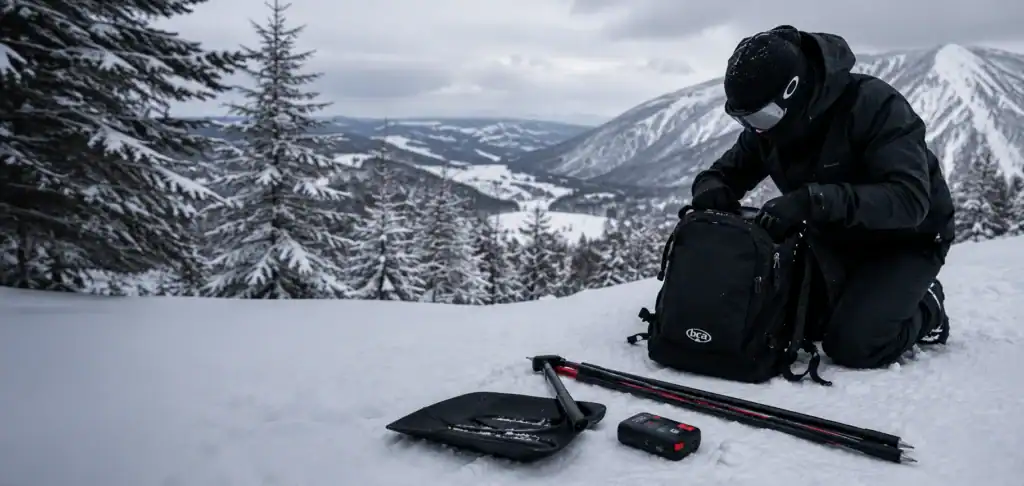
Yes. Anyone leaving the resort boundary should carry a beacon, shovel and probe, and know how to use them. On guided days these are required for every participant, and a limited number of rental kits may be available on request. See our equipment checklist for the full list.
Is skiing through the Niseko Gates dangerous?
Yes, it carries real risks that don’t exist inside the resort, including avalanches, rapidly changing weather and no ski patrol beyond the gate. Good preparation, the right equipment, sound decision-making and an understanding of the day’s conditions help manage those risks, but they never remove them completely. Read our avalanche awareness guide to learn the basics.
Should I ski the Niseko Gates on my first trip to Japan?
Many visitors do, but your experience will depend on your skiing ability, confidence in natural terrain and how well prepared you are. For many people, starting with a guided day provides the safest and most enjoyable introduction.
Which Niseko Gate is easiest?
There isn’t a single “easiest” gate. The most appropriate choice depends on current conditions, your experience and what you’re hoping to achieve that day.
Final Thoughts
Being ready for the Niseko Gates isn’t about proving how strong a skier you are. It’s about understanding the difference between skiing inside a resort and travelling through mountain terrain where every day brings different conditions and different decisions.
If you arrive with realistic expectations, solid skiing skills and a willingness to learn, your first experience beyond the resort can become one of the most rewarding days of your trip. And if you’re unsure where to begin, there’s nothing wrong with taking that first step alongside someone who knows these mountains well. You can request a Gate Guiding day or get in touch and we’ll help you choose.
Continue Reading
If you’re planning your first backcountry experience, these guides are the next logical step:
← THE GUIDE
YOU ARE READING
01 / 13
Am I Ready to Ski the Niseko Backcountry?
NEXT ARTICLE →
- 01 — Am I Ready to Ski the Niseko Backcountry?
- 02 — How to Prepare for Your First Backcountry Day in Niseko
- 03 — Common Mistakes First-Time Visitors Make
- 04 — How the Niseko Gate System Works
- 05 — How to Choose the Right Niseko Gate for Your Ability
- 06 — How to Read Niseko’s Daily Conditions and Avalanche Report
- 07 — Should You Ski Niseko Gates Without a Guide?
- 08 — Is a Private Ski Guide Worth It in Niseko?
- 09 — What Does a Typical Guided Backcountry Day Look Like?
- 10 — How to Choose the Right Backcountry Guide in Niseko
- 11 — What Nobody Tells You About Skiing Through the Gates
- 12 — Who Gets the Most Value from a Freeride Foundations Course?
- 13 — Why People Return to Ski the Niseko Backcountry Every Winter

Still have questions?
Need help planning your backcountry experience? Get in touch with our local team.
CONTINUE READING
How to Prepare for Your First Backcountry Day in Niseko
◷ 8 MIN READ | ARTICLE 02 OF 13
Ready to experience the Niseko backcountry?
Whether you’re planning your first day beyond the gates or looking to develop your skills, our local guides can help you plan your experience.
THE COMPLETE GUIDE
GETTING STARTED
UNDERSTANDING THE MOUNTAIN
GUIDED BACKCOUNTRY